
 By
By 
People often see how important healthy eating is only after a health scare hits. Food fuels the body and mind like gas fuels a car; bad fuel makes the engine sputter and break down sooner or later. Eating right sparks energy, lifts mood, and keeps sickness away, but most folks don’t notice these perks until it’s too late. Knowing how what’s on your plate shapes your life can stop trouble before it starts and keep you feeling sharp and strong every day. This is perfect for anyone wanting to boost energy and dodge health problems. Dive in to unlock easy tips to eat smarter and live better before health issues show up.
Therefore, acquiring certain habits at an early age, if possible, is a good investment for the present and the future.
Below I would like to propose some guidelines for a healthier diet.
What do we talk about when we talk about healthy eating?
Food, in a broad sense, is an important condition for the health, growth and development of people and should contain a sufficient amount of nutrients to cover most of our physiological needs.
Even so, our health does not depend only on what we eat but on a sum of healthy habits. Other factors that influence the maintenance of our body’s balance are the regular practice of exercise, both physical and mental.
Why is there so much talk of healthy eating?
The lack of a good diet occurs, in many cases, because there is a lack in the culture of eating habits. The hustle and bustle of everyday life and the lack of time lead people to look for easy and fast food, which in the vast majority of cases could be classified as junk food.
According to the World Health Organization, almost 50% of the health complications that we can develop throughout our lives are caused by poor nutrition.
Arguments like “I don’t have time to cook”, “I don’t know how to cook” or “eating healthy is expensive” are just excuses to opt for that tasty but heavy junk food with a high percentage of fats and sugars.
The goal of understanding what a good diet is and what its benefits are for our health is
- To stop “dieting” for life (most of them with no scientific basis).
- Stop experiencing the famous “rebound effects”.
- To enjoy the pleasure of eating without being afraid of gaining weight or causing health complications in the future.
Tips for healthy eating
To start the road to healthy living habits, some first scientifically based advice is recommended:
Set schedules
The ideal is to be able to set times for the main meals of the day. Setting schedules and sticking to them will be a great step in starting a healthy eating pattern.
Chew your food slowly
The digestion of food begins as soon as we put it in our mouth. Not only do you avoid heavy digestion or feeling bad about your food, but chewing it well and slowly means feeling full faster and consuming the amounts you need.
Prioritize the raw material
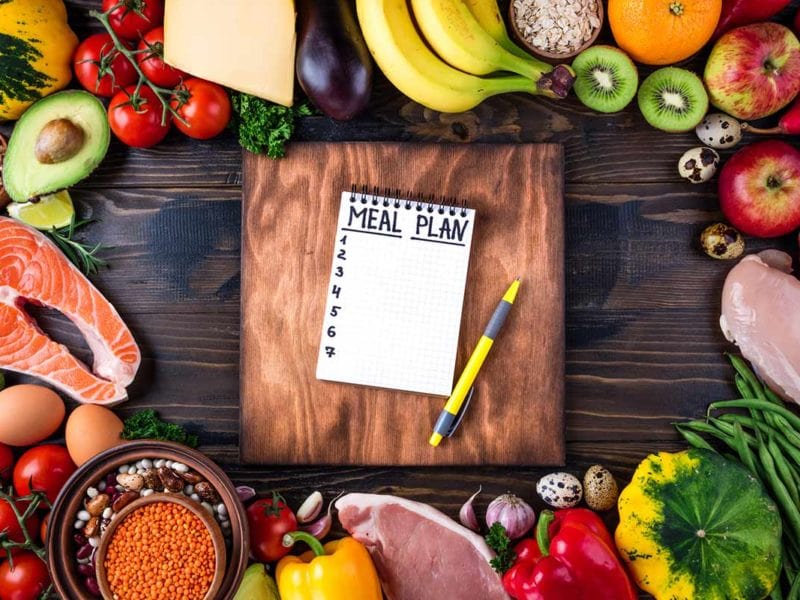
That includes fresh foods like vegetables, fruits, nuts. These are the foods that provide your body with the nutrients it needs throughout the day.
Choosing products with healthy fats
Keep in mind that not all fat is bad. That’s why it’s important to learn to distinguish the healthiest ones. A good example is consuming products containing extra virgin olive oil.
Controlling salt intake
Ideally, you should have a minimum consumption of salt and use substitutes such as garlic or spices to add flavour to your meals.
Consume high biological value proteins
It includes, lean meats such as chicken, eggs, fish and some types of vegetables. They are called high biological value proteins because of their important function in the body.
We are talking about functions:
- Energetics
- Regulators: hormones, neurotransmitters…
- Of transport: albumin…
- Structural: collagen, keratin…
- Defensive: immunoglobulins…
- Reserve: ferritin, myoglobin…
Proteins have a high nutritional value and stand out for their properties:
- They maintain and increase muscle mass
- Promote satiety
Let us remember that all the structures of the organism are constituted totally or partially by proteins: the skin (collagen); musculature; hormones; the immune system, etc. Hence its importance.
Drink water
Soft drinks can be very sugary and high in calories. If a drink has 0% sugar in its container, ask yourself what they added to make it so sweet. Everything is chemical and artificial.